
Send the claim information.
Provide contact details, the incident date, claim type, requested funding amount, and attorney information.
San Diego lawsuit loans provide non-recourse cash advances from $500 to $2,000,000 to plaintiffs awaiting compensation from personal injury and civil claims. Mayfair Legal Funding bases approval on claim strength, liability, damages, expected recovery, liens, attorney cooperation, and case duration.
Repayment is required only if the claim produces compensation. Plaintiffs receive funding without credit checks, income verification, collateral, or monthly payments, and funds may cover housing, medical care, transportation, utilities, and other living expenses.
Eligible claims include motor vehicle accidents, premises liability, workplace injuries, medical malpractice, product liability, catastrophic injuries, and wrongful death. California law requires written disclosures, attorney acknowledgement, a 5-business-day cancellation period, and limits on funding charges and settlement control.
Mayfair Legal Funding provides San Diego plaintiffs with non-recourse funding based on the expected value of pending legal claims.
Mayfair Legal Funding reviews liability, damages, insurance, medical treatment, liens, prior advances, attorney records, settlement negotiations, and expected case duration before issuing written terms and transferring approved funds.
A San Diego lawsuit loan is a non-recourse cash advance exchanged for a contingent right to part of a plaintiff’s future legal recovery. California law uses the term “consumer legal funding.”
California Business and Professions Code §6250 defines consumer legal funding as a transaction in which a funding company purchases a contingent right to proceeds from a bona fide civil claim. The funding company receives repayment only from a successful legal recovery.
The following 8 terms describe the same general funding category:
Mayfair Legal Funding provides non-recourse cash advances structured against potential claim proceeds. Mayfair Legal Funding does not provide conventional consumer loans.
San Diego lawsuit loans follow 4 stages: application, attorney verification, case underwriting, and cash distribution.
Mayfair describes its process as an application, attorney review, written contract, and secure cash distribution process. Mayfair states that approved cash is distributed within 24 hours after completion of the funding process.
The 6-step lawsuit-funding process is listed below.
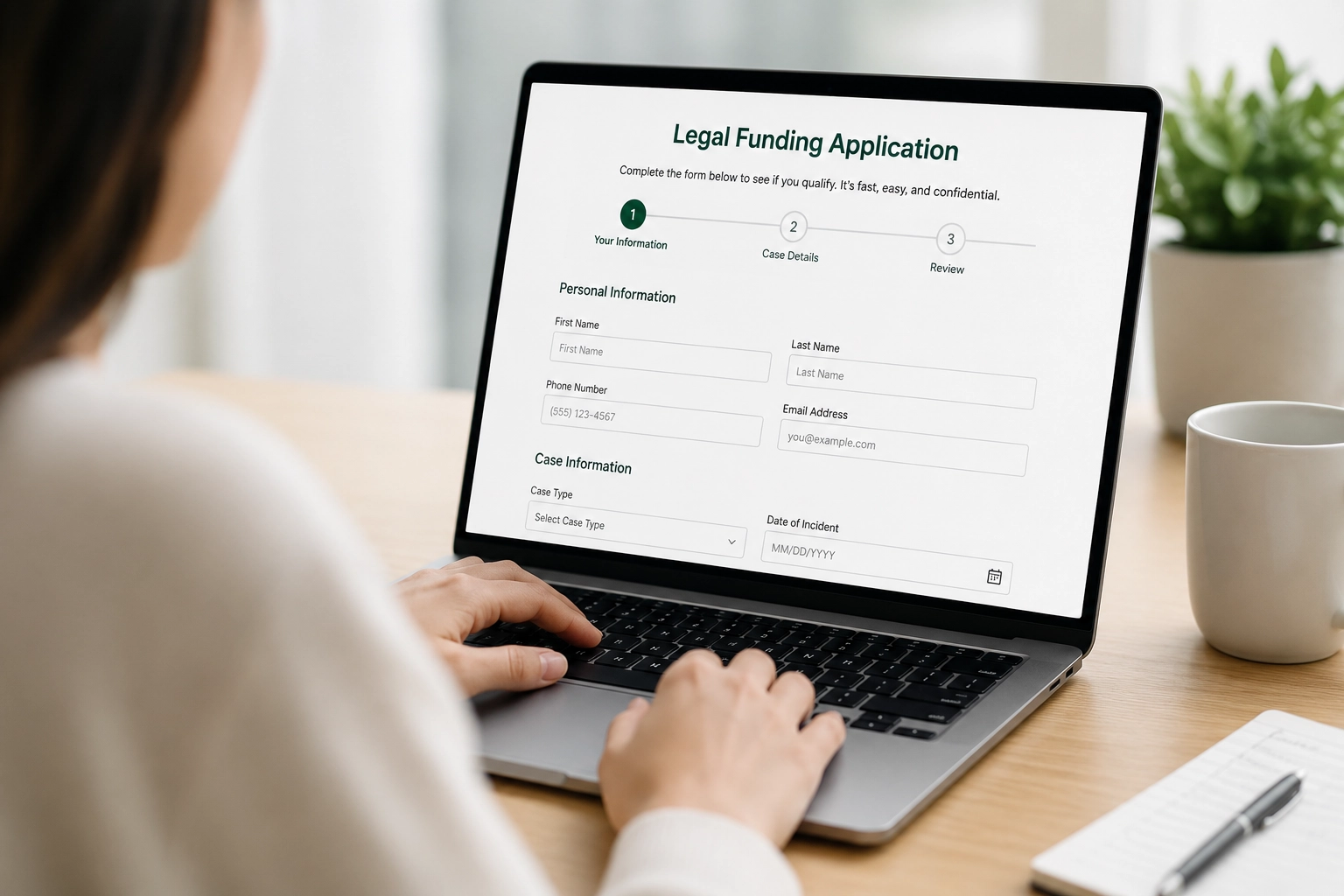



The application identifies the legal claim, accident or incident date, requested amount, attorney, damages, treatment status, and present case stage.
Mayfair Legal Funding requests authorized information concerning liability, insurance, medical treatment, damages, liens, prior funding, settlement offers, and expected case duration.
Mayfair Legal Funding estimates the amount likely to remain after attorney fees, litigation expenses, healthcare liens, comparative-fault reductions, prior advances, and other claim deductions.
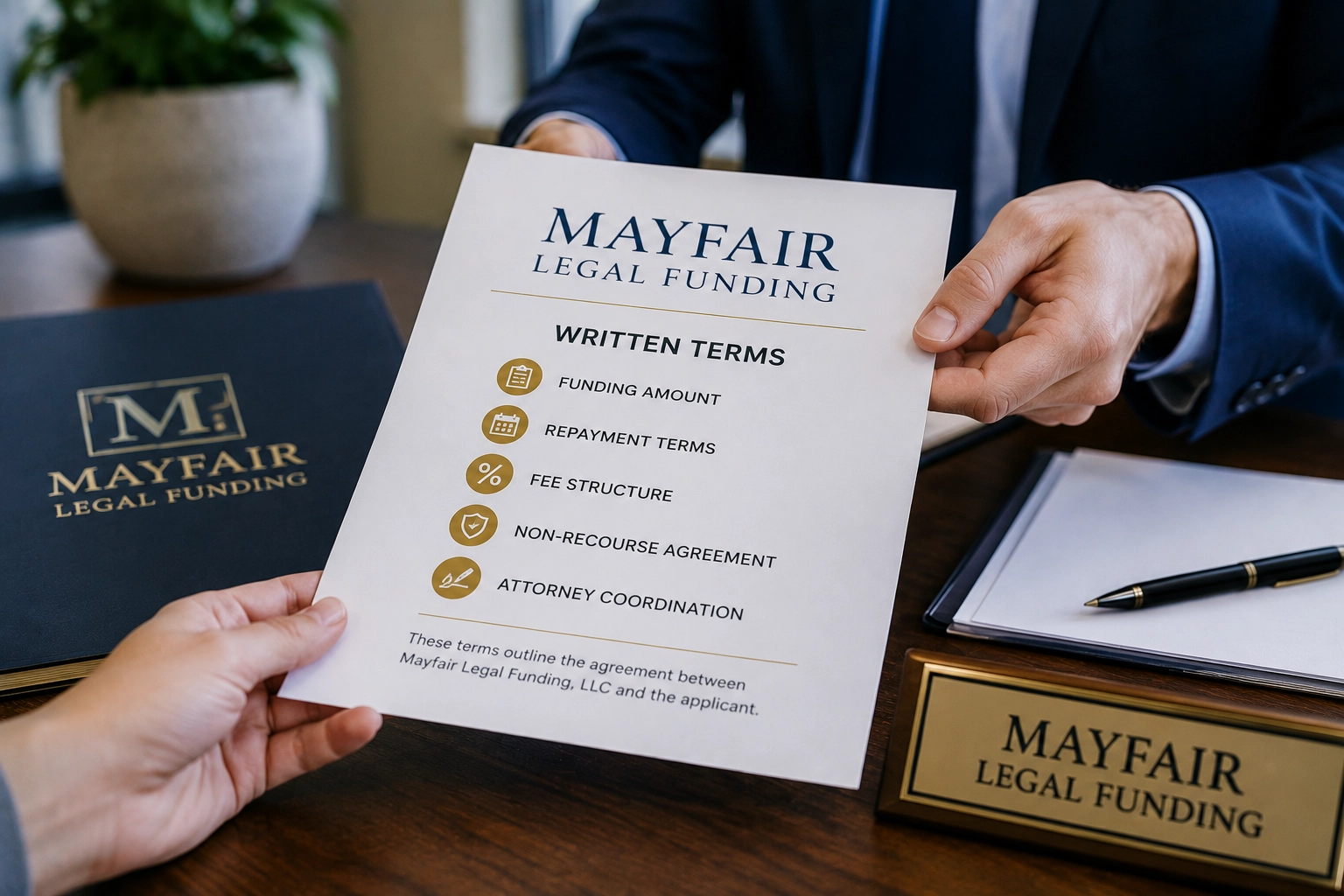
The agreement identifies the funded amount, charges, repayment schedule, maximum repayment amount, cancellation right, and attorney acknowledgement.
Mayfair Legal Funding distributes funds after underwriting, contract execution, attorney confirmation, and completion of the required documents.
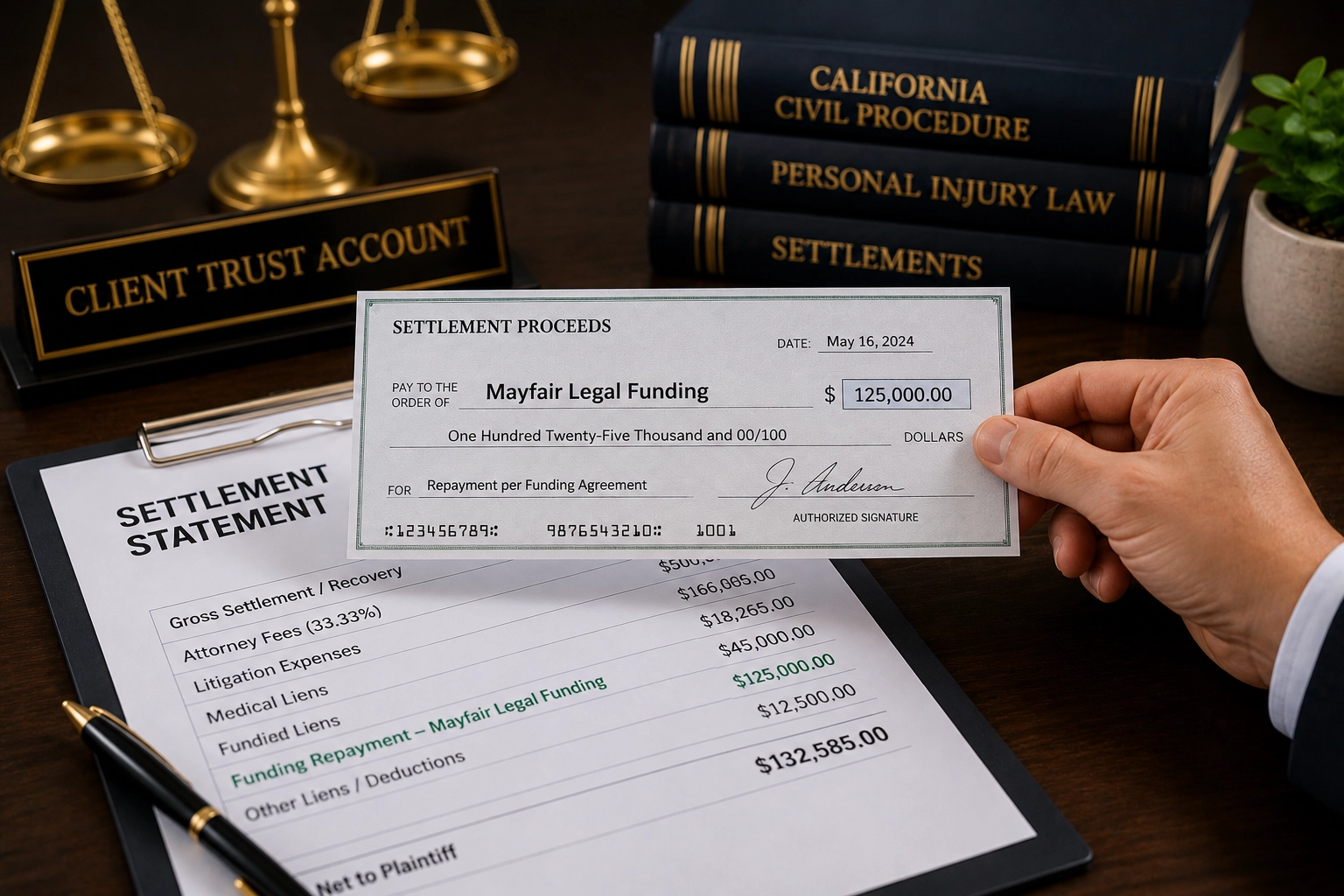
The attorney distributes the contracted repayment from the client trust account or settlement fund after the defendant or insurer pays the settlement, judgment, award, or verdict.
A San Diego plaintiff applies for a lawsuit loan by submitting the claim, connecting Mayfair Legal Funding with the retained attorney, reviewing the terms, and completing the agreement.
The application process includes 4 stages.
Mayfair Legal Funding provides non-recourse repayment, case-based approval, written terms, attorney coordination, and fast cash distribution.
San Diego plaintiffs can apply for lawsuit funding without relying on traditional credit, income, employment, or personal collateral requirements.
Mayfair’s official website states that Mayfair reviews each claim with the plaintiff’s attorney and distributes approved cash quickly and securely after sending the funding contract.
San Diego lawsuit loans provide case-based approval, non-recourse repayment, immediate expense support, and freedom from monthly personal payments.
The table below shows the main attributes of San Diego lawsuit funding.
No case recovery means no repayment, subject to the contract
Claim strength replaces personal credit as the approval basis
Credit score does not determine eligibility
Current income does not determine eligibility
Employment status does not determine eligibility
Personal property does not secure the advance
Repayment does not come from monthly wages or a personal bank account
Approved funds support housing, food, healthcare, transportation, and household expenses
The attorney pays the contracted amount from successful claim proceeds
The advance reduces immediate pressure created by lost income and unresolved expenses
The agreement states the funded amount, charges, repayment schedule, and maximum repayment
California provides 5 business days to return the funds and cancel without penalty
A San Diego plaintiff qualifies after meeting the active-claim, attorney-representation, liability, damages, recovery, and documentation requirements.
The 10 qualification requirements are listed below.
Attorney acknowledgement is required. California law requires the retained contingency-fee attorney to acknowledge the agreement. An agreement without the required attorney acknowledgement is null and void.
The applicant has a legitimate pending personal injury or civil claim.
The applicant expects to receive proceeds from the claim.
California’s consumer-funding statute applies to a consumer who resides or is domiciled in California.
A retained attorney represents the plaintiff under a written contingency-fee agreement.
The attorney provides authorized case information and acknowledges the funding agreement.
Police reports, incident reports, witness statements, photographs, video, records, admissions, or other evidence support responsibility.
Medical bills, treatment records, wage records, repair estimates, expert reports, or other evidence support the plaintiff’s losses.
Insurance coverage, defendant assets, settlement negotiations, or other recovery sources support a realistic financial outcome.
The expected recovery supports attorney fees, medical liens, litigation costs, prior advances, requested funding, and contracted charges.
The applicant discloses prior funding, existing liens, settlement offers, claim developments, and other material information.
Yes, a San Diego plaintiff needs attorney participation because California law requires attorney acknowledgement, and repayment normally passes through the attorney’s trust account.
The attorney acknowledgement confirms several important parts of the funding arrangement.
Attorney acknowledgement is required. A California consumer legal funding agreement without the required attorney acknowledgement is null and void.
The attorney reviews the funding disclosures and confirms the attorney-client relationship.
The attorney helps manage the distribution of proceeds after the underlying case produces a successful recovery.
The attorney also supplies the authorized claim information Mayfair needs to evaluate the case.
This may include information concerning liability, damages, insurance, liens, prior funding, settlement activity, and the expected recovery.
California law requires written consumer consent before an attorney shares privileged information with a consumer legal funding company.
Attorney participation in the funding process does not eliminate the protections that apply to privileged attorney-client information.
Mayfair Legal Funding provides San Diego lawsuit cash advances from $500 to $2,000,000, subject to case underwriting and sufficient expected net proceeds.
The requested amount does not determine the approved amount. Mayfair Legal Funding calculates the advance from the expected recovery after projected deductions.
A high-value claim does not automatically support a high advance. The projected net proceeds must cover every senior deduction and the contracted lawsuit-funding repayment.
San Diego lawsuit loans cover motor vehicle accidents, unsafe-property claims, workplace injuries, medical negligence, defective products, abuse, civil-rights claims, catastrophic injuries, and wrongful death.
Select a case type below to review common qualifying claims and underwriting considerations.
Car accident lawsuit loans cover qualifying claims involving negligent drivers, unsafe road conduct, insurance coverage, and documented injuries.
Listed below are the 16 Eligible car accident contexts:
Mayfair’s car accident funding page states that approval focuses on the prospective settlement, attorney representation, and claim strength rather than personal credit.
Truck accident lawsuit loans cover qualifying commercial vehicle claims involving drivers, carriers, maintenance companies, loaders, contractors, and equipment manufacturers.
Listed below are the 15 Eligible truck accident contexts:
Motorcycle accident lawsuit loans cover qualifying rider claims involving turning vehicles, unsafe lane changes, failure to yield, speeding, road hazards, and impaired drivers.
Motorcycle injuries often involve fractures, head trauma, spinal damage, road rash, internal injuries, amputations, and extended rehabilitation. Mayfair evaluates motorcycle claims from the expected recovery rather than the rider’s employment status or credit rating.
Bicycle accident lawsuit loans and pedestrian accident funding cover qualifying claims involving negligent drivers, unsafe turns, crosswalk collisions, dooring incidents, speeding, impaired driving, and failure to yield.
The City of San Diego operates a Vision Zero program focused on eliminating traffic fatalities and serious injuries through street design, speed management, enforcement, and systemic safety measures.
Listed below are the 11 Bicycle and pedestrian funding reviews:
Bus and rideshare lawsuit loans cover qualifying claims involving public transit vehicles, school buses, private buses, charter vehicles, Uber drivers, Lyft drivers, and other transportation services.
Listed below are 9 Bus and rideshare claims:
Claims against government-operated transportation entities often require an administrative claim before a lawsuit. California courts state that personal-injury claims against government agencies generally require an administrative claim within 6 months. A rejected claim normally carries a 6-month lawsuit deadline from the mailed rejection notice.
Slip-and-fall lawsuit loans cover qualifying injuries caused by unsafe property conditions and negligent maintenance.
Eligible premises liability include:
Funding approval examines notice, inspection records, surveillance footage, maintenance records, incident reports, photographs, witness statements, medical treatment, and available insurance.
Dog-bite lawsuit loans cover qualifying attacks that produce physical injury, emotional harm, medical costs, scarring, or lost income.
Listed below are the 11 eligible damages of dog-bite :
Mayfair evaluates dog-bite funding from claim merit, liability, damages, and expected recovery rather than job history or credit score.
Construction accident lawsuit loans cover qualifying claims involving unsafe worksites, third-party negligence, defective equipment, property-owner negligence, and contractor misconduct.
Listed below are 16 Eligible construction contexts:
A workplace incident sometimes produces a workers’ compensation claim and a separate third-party personal injury claim. California courts recognize that workplace injuries sometimes involve both workers’ compensation and a claim against another person or business that caused the injury.
Medical malpractice lawsuit loans cover qualifying claims involving negligent healthcare and expected monetary recovery.
Listed below are 14 Eligible medical malpractice contexts:
Medical malpractice underwriting examines expert support, standard of care, causation, medical records, economic damages, applicable damage rules, insurance coverage, defendants, and expected litigation duration.
Nursing-home negligence lawsuit loans cover qualifying claims involving abuse, neglect, unsafe care, preventable injuries, and wrongful death.
Listed below are 15 Eligible nursing-home claims:
Product liability lawsuit loans cover qualifying injuries caused by defective design, manufacturing defects, contamination, inadequate instructions, or failure to warn.
Eligible product claims include:
Catastrophic-injury lawsuit loans cover claims involving permanent impairment, extensive treatment, reduced independence, or long-term care.
Listed below are 12 Eligible catastrophic injuries:
Wrongful-death lawsuit loans cover qualifying claims arising from fatal negligence, misconduct, defective products, workplace incidents, medical malpractice, and motor vehicle collisions.
Listed below are 12 Funding reviews:
San Diego lawsuit funding applies to documented injuries that create compensable medical, wage, disability, property, or personal losses.
Qualifying injuries range from fractures and soft-tissue damage to catastrophic and permanent injuries. Common examples include:
Other qualifying injuries may include soft-tissue, tendon and ligament injuries, psychological trauma, reduced mobility, and fatal injuries.
I-5, I-8, I-15, I-805, and SR-163 are major San Diego transportation corridors where motor vehicle accident claims may originate.
These freeways carry commuter, commercial, and regional traffic through San Diego and connect many of the area’s busiest communities and employment centers.

North-south travel, commuter traffic, commercial vehicles, interchanges, lane changes, and rear-end collisions.
East-west commuter travel connecting I-5, I-805, I-15, and multiple state routes.
Regional north-south travel, express lanes, commuter traffic, merging, and commercial vehicles.
Heavily used north-south corridor serving South County, the urban core, Mission Valley, Sorrento Valley, and nearby employment centers.
Central San Diego corridor connecting I-5, I-8, I-805, and major urban areas.
Traffic patterns change over time. San Diego does not maintain one permanent official list declaring these five freeways the city’s “deadliest roads.” Crash frequency varies by year, location, direction, traffic volume, construction activity, and collision type.
The City of San Diego and SANDAG maintain transportation and traffic-safety data for more precise location-based analysis.
Yes, a qualifying I-5 or I-15 collision supports lawsuit funding when liability, damages, insurance, attorney representation, and expected net recovery meet Mayfair’s underwriting requirements.
The roadway name does not create automatic eligibility. Mayfair Legal Funding reviews the facts, documentation, available coverage, and expected recovery of the individual claim.
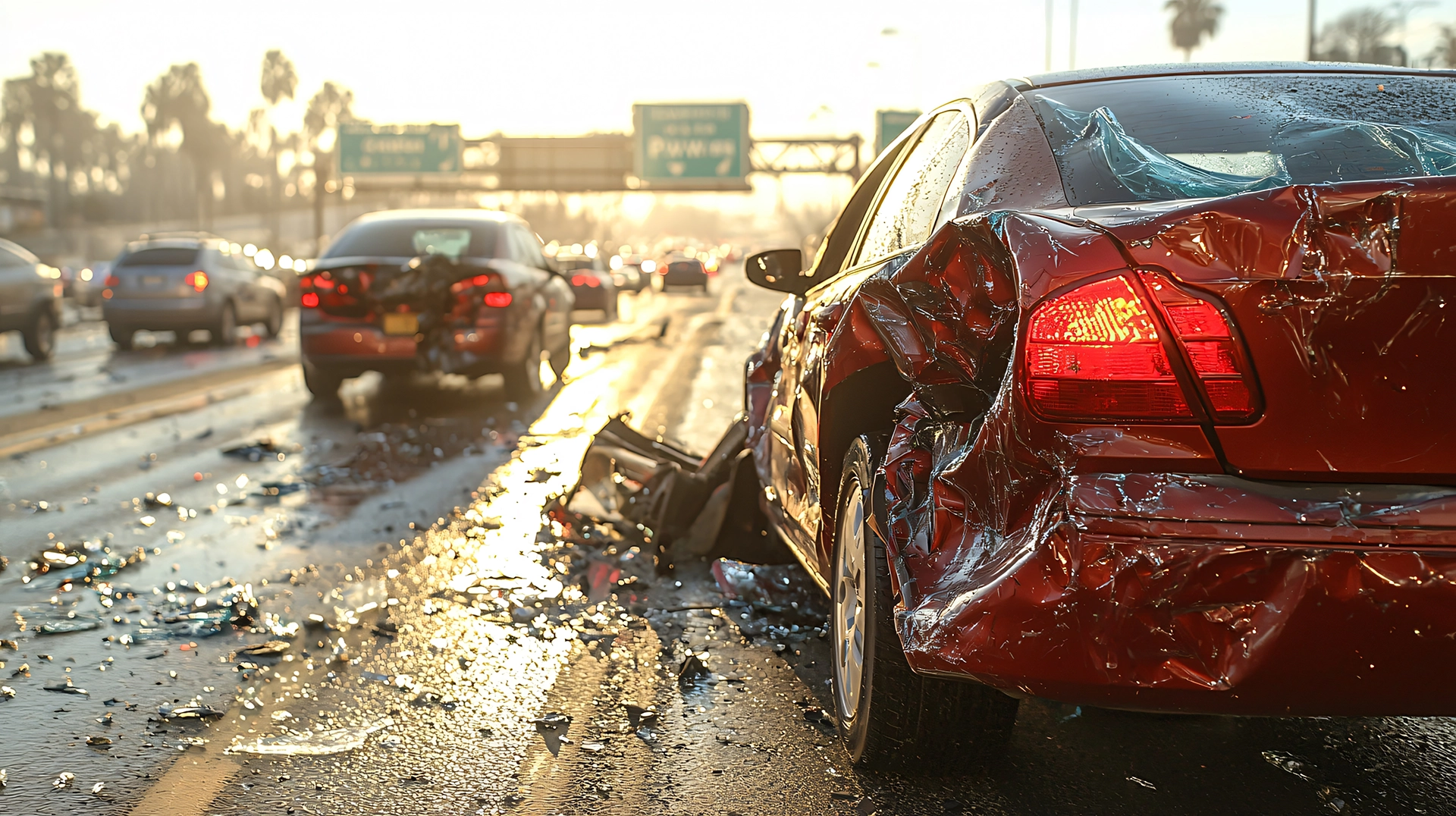
More than one recovery source may apply. A freeway collision involving a commercial truck, rideshare driver, employer-owned vehicle, defective component, or multiple negligent drivers may involve multiple defendants, insurance policies, or other sources of recovery.
California’s pure comparative-fault system reduces the plaintiff’s recovery by the plaintiff’s assigned percentage of responsibility.
Because lawsuit funding depends in part on the expected net recovery, a larger fault percentage can also reduce the amount available for an advance.
A plaintiff with $100,000 in proven damages and 20% assigned fault retains a potential $80,000 recovery before attorney fees, liens, expenses, and lawsuit-funding repayment.
A plaintiff with $100,000 in proven damages and 80% assigned fault retains a potential $20,000 recovery. The lower expected recovery can also reduce the amount available for funding.
California pure comparative negligence: The California Supreme Court adopted the rule in Li v. Yellow Cab Co., requiring damages to decrease in proportion to the plaintiff’s assigned negligence.
California’s minimum auto liability limits affect the basic recovery pool available in some San Diego accident claims.
California’s private-passenger minimum liability requirements include:
These limits do not establish the value of a claim or guarantee lawsuit-funding approval. Commercial policies, umbrella policies, employer coverage, rideshare coverage, uninsured motorist coverage, underinsured motorist coverage, and defendant assets create separate recovery sources in qualifying cases.
Mayfair Legal Funding targets cash distribution within 24 hours after approval, attorney verification, contract execution, and receipt of the required claim information.
Mayfair reviews the case with the plaintiff’s attorney, issues a contract detailing the terms, and distributes approved cash quickly and securely within 24 hours.
The plaintiff submits the application and provides the basic claim and attorney information Mayfair needs to begin the review.
Mayfair works with the plaintiff’s attorney to verify the claim and review the information required for underwriting.
After approval, Mayfair issues a written funding agreement detailing the approved amount, charges, and repayment terms.
Approved cash can be distributed quickly and securely after attorney verification, contract execution, and completion of the required claim information.
Timing is not guaranteed. A completed application does not guarantee approval or same-day distribution.
Mayfair provides pre-settlement funding in 46 states. Explore your state to learn about local funding laws, typical timelines, and the types of cases we fund in your area.
Yes, same-day San Diego lawsuit funding is available in qualifying cases after Mayfair completes underwriting and receives attorney confirmation, but same-day payment is not guaranteed.
Mayfair targets fast cash distribution after approval and completion of the required attorney verification, documentation, and funding agreement.
Same-day payment is not guaranteed. Processing time depends on underwriting, attorney cooperation, complete claim information, contract execution, and bank-transfer processing.
Mayfair states that rates depend on case merits, claim complexity, anticipated duration, possible recovery, and overall risk.
The signed funding agreement controls the actual funded amount, charges, repayment schedule, and maximum repayment obligation.
The table below shows the cost terms that a San Diego plaintiff should review.
Cash transferred to the plaintiff
Every administrative, origination, underwriting, or other one-time charge
Amount added at each stated time interval
Amount owed at each specified date or interval
Highest contracted amount payable
Formula or schedule that determines each charge
Charges stop accruing after 36 months under California law
California prohibits a prepayment penalty
Consumer receives 5 business days after funding to return the funds and cancel
Repayment cannot be calculated as a percentage of the final recovery
Funding company receives no authority over the settlement decision
The signed funding agreement controls the actual cost. Plaintiffs should review the funded amount, every charge, the repayment schedule, and the maximum repayment obligation before signing.
Yes, lawsuit loans are legal in San Diego when the consumer legal funding transaction complies with California law.
Assembly Bill 931 created the California Consumer Legal Funding Act. The Act took effect on January 1, 2026, and added Business and Professions Code §§6250–6256.
California Consumer Legal Funding Act
Business & Professions Code §§6250–6256
Effective January 1, 2026

California law provides San Diego consumers with written terms, cost disclosures, cancellation rights, attorney review, charge limits, and settlement-control protections.
The table below shows the statutory protections.
Every transaction requires a written contract
The contract must use language that an average consumer understands
All terms must appear when the agreement is first presented
The first page states the funded amount, one-time charges, maximum repayment, and repayment schedule
The consumer receives 5 business days to return the funds and cancel without penalty
Negotiations in another language require a contract in English and the negotiated language
The contract states the highest amount payable
The consumer owes no charge absent from the written agreement
The repayment amount follows stated time intervals
Repayment cannot equal a percentage of the final recovery
Charges stop accruing after 36 months
The contract cannot penalize early repayment
The funding company cannot determine whether, when, or for how much the case settles
The contingency-fee attorney reviews and acknowledges the agreement
The funding company cannot pay the attorney for the referral
The attorney needs written consumer consent before sharing privileged information
The funding company cannot require the consumer to dismiss existing counsel
Transaction funds cannot pay attorney fees, filing fees, or court costs
These protections apply through California’s consumer legal funding rules. Plaintiffs should review the complete written agreement with their attorney before accepting funding.
A San Diego plaintiff owes no repayment when the funded claim produces no financial recovery.
The non-recourse agreement limits repayment to a successful settlement, judgment, award, or verdict. Mayfair Legal Funding absorbs the funded amount when no recovery exists, subject to contract provisions concerning fraud, material misrepresentation, or material breach.
Mayfair identifies repayment only after a successful case as part of its funding model.
The plaintiff’s attorney pays Mayfair Legal Funding from the successful case proceeds rather than from the plaintiff’s monthly income.
The 5 repayment sequence is listed below.
San Diego plaintiffs use lawsuit funding for personal and household expenses during the pending claim.
The 26 common uses are listed below.
California law prohibits a consumer legal funding company from using transaction funds to pay attorney fees, filing fees, or court costs.
Yes, approved lawsuit funding supports San Diego rent, medical bills, groceries, transportation, utilities, and other personal expenses during litigation.
The approved amount depends on the claim’s expected net recovery rather than the applicant’s monthly rent or medical debt. A plaintiff should request the lowest amount that resolves the immediate financial need because charges increase the repayment obligation.
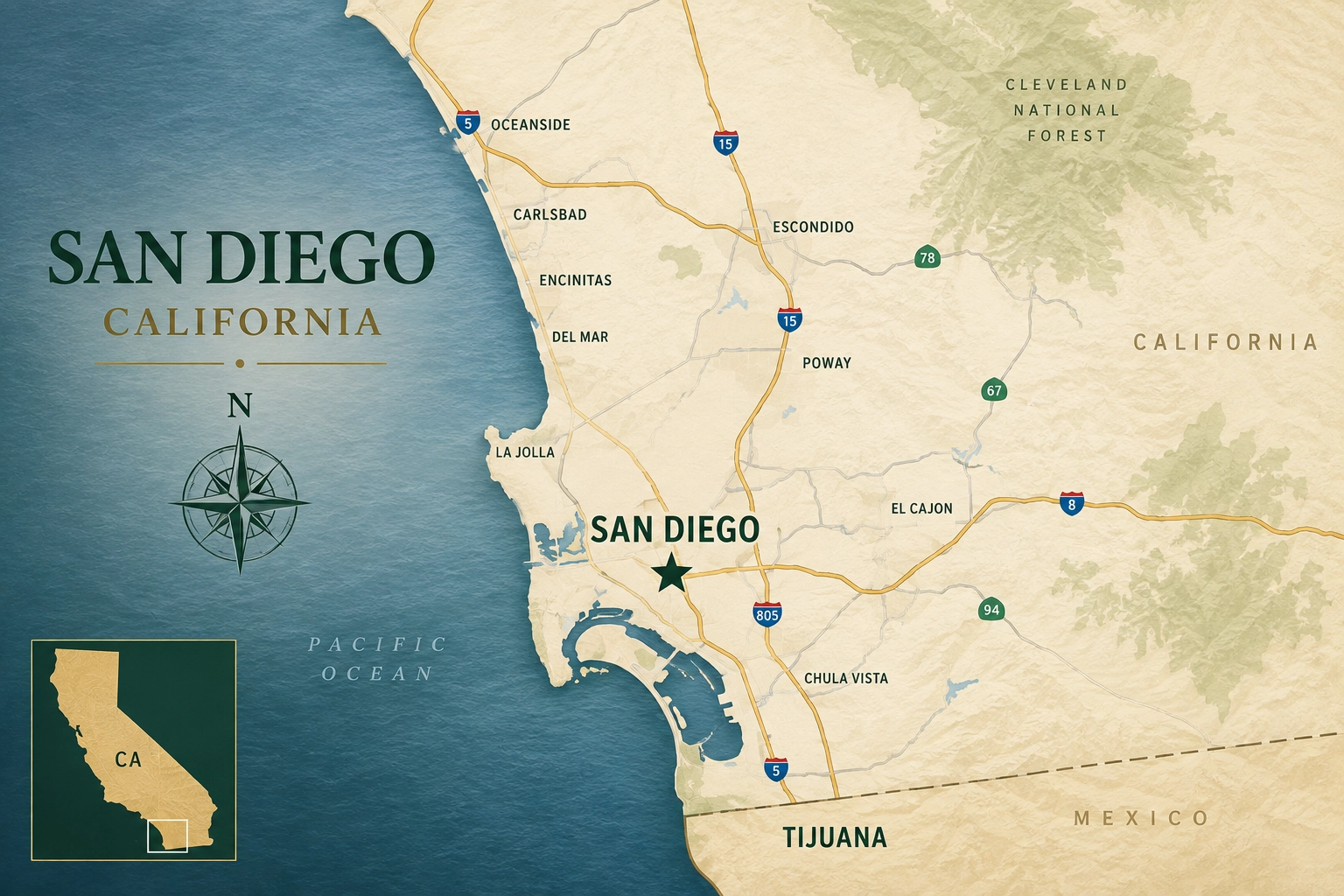
Yes, Mayfair Legal Funding serves qualifying plaintiffs throughout San Diego, including La Jolla, Downtown San Diego, Mission Valley, North Park, Hillcrest, Clairemont, Mira Mesa, Pacific Beach, Ocean Beach, University City, Carmel Valley, and surrounding communities.
The application and attorney-review process takes place remotely. The plaintiff does not need to visit a physical funding office. Mayfair communicates with the plaintiff and attorney through phone, email, electronic documents, and secure fund transfer.
A San Diego lawsuit loan depends on claim merit and successful recovery, but a traditional loan depends on personal repayment capacity and remains payable regardless of the lawsuit result.
The table below shows the key differences between the two forms of funding.
Most San Diego personal injury and wrongful-death claims have a 2-year filing period, but the applicable deadline depends on the claim, defendant, discovery date, and statutory exceptions.
Common California filing deadlines include the following.
An administrative claim is generally required within 6 months.
Generally the earlier of 1 year after discovery or 3 years after the injury, subject to exceptions.
Personal injury claims generally run 2 years from the injury, wrongful-death claims 2 years from the death, and oral-contract claims 2 years from the breach.
Generally 3 years from the date of the damage.
Generally 4 years from the breach.
California filing deadlines are fact-specific. California Courts states that personal injury claims generally carry a 2-year deadline and property-damage claims generally carry a 3-year deadline. Discovery rules, tolling, government claims, and claim-specific statutes can alter the calculation.
Medical malpractice claims generally follow the earlier of 1 year after the plaintiff discovered or should have discovered the injury, or 3 years after the injury, subject to exceptions. A plaintiff must also provide the healthcare provider with written notice at least 90 days before filing.
California’s delayed-discovery rule postpones accrual in qualifying cases until the plaintiff discovers, or reasonably should discover, the injury and its wrongful cause.
This rule can matter when an injury or its connection to wrongful conduct is not immediately apparent.
The filing period may begin when the injury is discovered or reasonably should have been discovered.
The delayed-discovery rule does not create one universal 1-year deadline for every late-appearing injury. Medical malpractice, toxic exposure, fraud, government claims, minors’ claims, and other actions can follow different rules.
California Courts states that the limitation period sometimes begins when the plaintiff discovered or reasonably should have discovered the injury or damage.
Mayfair Legal Funding provides lawsuit loans across California, including major metropolitan areas, suburban communities, inland cities, and coastal locations.
Mayfair funds plaintiffs in all 58 California counties. Pick a region to see some of the towns we serve.
Mayfair Legal Funding, LLC provides non-recourse cash advances structured as purchases of contingent interests in potential claim proceeds. References to “lawsuit loans,” “settlement loans,” or “pre-settlement loans” describe the service for marketing purposes. Mayfair Legal Funding does not provide conventional lending services. This page provides general information and does not provide legal, financial, or tax advice.